


Taimi: LGBTQ+ Dating & Meet Up
4.125.72K Reviews
App Specs
- Version
- 5.1.422
- Updated On
- License
- Free
- Downloads
- 10,000,000+
- Developer
- Social Impact Inc.
- Categories
- Social
- Platform
- Android, iOS
Screenshots



 Analysis by AppCompare
I approached Taimi as a social dating app rather than just another stream of profiles to swipe through. Its focus is LGBTQ+ dating and meeting people nearby, but the experience also suits users who want a more community-oriented way to start conversations. I found the app easiest to understand when I treated it as a combination of profile discovery, messaging, and social interaction instead of expecting every match to become a date.
That distinction matters. Dating apps can feel repetitive when every interaction follows the same pattern, while Taimi gives queer, trans, bi, lesbian, and gay users a space built around identities and connections that are often poorly represented in general-purpose alternatives. The app is free to install, developed by Social Impact Inc., and carries a Mature 17+ rating. Optional in-app purchases range from $0.99 to $174.99 per item, so I would use the free experience first and only consider paid extras after deciding whether the basic workflow fits me.
How the everyday Taimi workflow feels
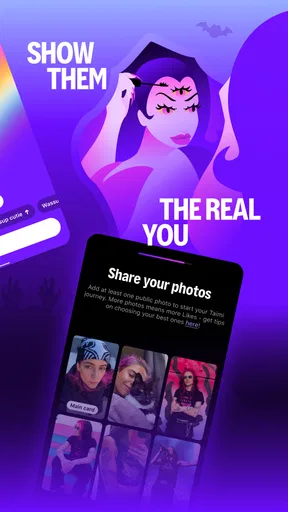
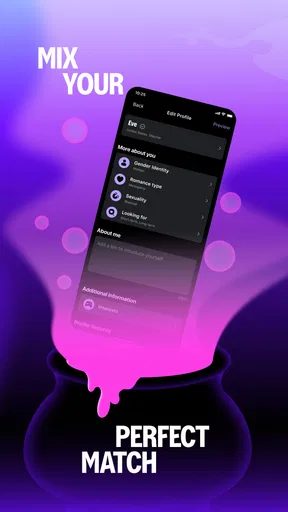
The most practical way to begin is to build a profile that answers the questions people usually hesitate to ask in their first message. A clear photo helps, but I found that the short written details matter just as much: what kind of connection I want, whether I am open to chatting before meeting, and what sort of conversation I enjoy. On an LGBTQ+ dating app, identity and expectations can be especially important, so vague wording can create unnecessary back-and-forth.
Once the profile is ready, I would browse nearby people at a relaxed pace rather than treating the app like a competition. The local focus is useful if I want to meet someone in my area, but it also means the quality of the experience depends heavily on where I live and how active the nearby user base is. In a large city, the choice may feel broad; in a smaller community, I may need more patience and a wider idea of what counts as a promising connection.
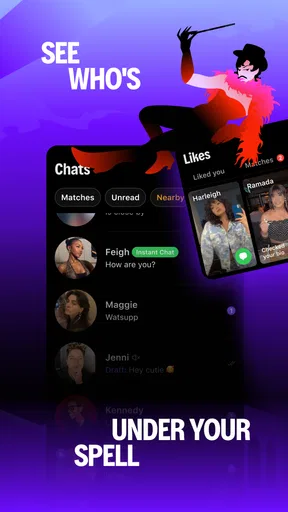
My preferred routine is simple: check new profiles, respond to existing conversations, then leave the app. That order prevents browsing from taking over the whole session. It also gives messages priority, which is important because a thoughtful conversation usually tells me more than another quick profile decision. If I receive several new interactions, I would rather answer two properly than send rushed replies to everyone.
A realistic use case is someone who has recently moved to a new town and wants to meet queer people without immediately committing to a formal date. Taimi can work well here because the first step can be a conversation. I might mention a local interest, ask what kind of connection the other person is looking for, and see whether the exchange feels comfortable before suggesting a public meetup. That is more useful than assuming every profile is ready for the same pace.
The app’s social character is also helpful for people who are not looking for a narrow, traditional dating path. Someone may want friendship, casual conversation, a relationship, or simply a chance to meet people with shared experiences. The important habit is to state that clearly. I would not rely on the app to infer my intentions from a few photos, and I would not assume another person’s goals match mine just because we connect.
Worth Reading Before You Choose

EA SPORTS FC Mobile 26 Is a Bigger Football Game, but It Takes Time

Flipboard Shows What News Apps Must Do Beyond the Feed

Switching to Android Auto Means Rethinking Your Driving Routine

Google Calendar Makes a Crowded Week Easier to Manage

Ludo King Makes the Most of the Minutes Between Plans

Baby Panda World Brings Quick Play to Modern Phones, but Its Game Library Feels Busy
Profile choices that improve the first conversation
I recommend writing a profile that gives a potential match at least one easy opening. “Ask me anything” puts all the work on the other person, while a specific interest or small personal detail makes a natural first message possible. This is one of the less obvious strengths of a profile-based app: a few well-chosen details can filter conversations more effectively than adding many generic adjectives.
I would also review the profile from the perspective of someone who knows nothing about me. Are my photos recent enough to set fair expectations? Does my wording explain whether I want dating, friendship, or something casual? Do my identity details appear in a way that feels accurate and comfortable? These checks reduce mismatched conversations before they begin.
For users who are nervous about being visible, there is a genuine trade-off between discoverability and privacy. A sparse profile may feel safer, but it can also attract less relevant messages because people have little context. My approach would be to share enough to establish boundaries and interests while keeping sensitive personal information, such as a home address, workplace details, or daily routine, out of the profile.
Settings and boundaries worth checking early
I would spend time reviewing the available discovery and notification controls before becoming active. The useful principle is to make the app fit my schedule rather than allowing every interaction to interrupt the day. If notifications become distracting, I would narrow them to meaningful activity or check manually at set times. A dating app is easier to enjoy when it does not feel like an obligation.
Location deserves particular attention. Nearby discovery is central to the app’s purpose, but I would avoid treating distance as a guarantee that a meeting is convenient or safe. A person may appear close while having very different expectations about meeting, transport, or privacy. I would confirm the general area in conversation and choose a public location rather than revealing my exact address.
I would also use blocking and reporting tools promptly when an interaction crosses a line. Waiting for a conversation to improve is not a requirement. If someone ignores a stated boundary, pressures me for private information, or turns hostile, ending the exchange is more useful than trying to win an argument. These tools are not just emergency functions; they help keep the rest of the experience manageable.
Another setting-related habit is checking what I am comfortable displaying before becoming active. Identity can be affirming when represented accurately, but visibility is personal and may carry different risks depending on family, work, housing, or local circumstances. I would make choices based on my real situation rather than copying how another user presents themselves. The best profile is one I can maintain safely and honestly.
Because the app is rated Mature 17+, younger users should take that age guidance seriously, and adults should still remember that an age label does not remove the need for caution. I would avoid sharing intimate images with people I have not verified through a longer, respectful interaction, and I would never let pressure or flattery rush a decision.
Faster patterns for experienced users
After the first few sessions, I would use a repeatable rhythm instead of opening the app whenever I feel bored. A short morning check can handle replies, while a separate evening session can be reserved for browsing or longer conversations. This creates a useful boundary: I am choosing when to date rather than letting endless profile discovery fill every spare minute.
I also find it helpful to separate “interesting profile” from “ready to meet.” Those are different decisions. A profile may deserve a message, but a meeting should depend on consistency, respect, and shared expectations. Keeping those stages separate prevents the common mistake of treating a quick connection as evidence of trust.
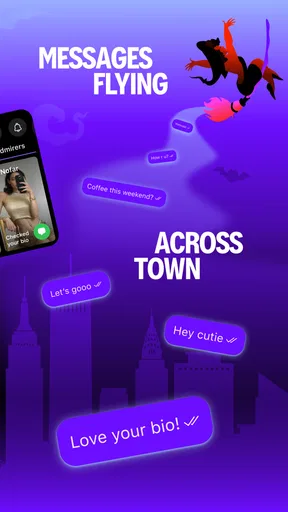
When a conversation starts, I would move beyond interview-style questions. Asking only about work, age, or location can make the exchange feel like a form. A better pattern is to respond to something specific in the person’s profile, add a small detail about myself, and ask an open question. This gives the other person something real to answer and makes it easier to notice whether they are actually reading what I write.
For people who receive many messages, a simple triage habit can reduce fatigue. I would prioritize conversations that are respectful, specific, and consistent, while closing or ignoring exchanges that immediately become sexual, demanding, or vague about intentions. The point is not to judge someone for having a different style; it is to protect attention for interactions that have a realistic chance of becoming enjoyable.
Paid options require the same discipline. The free version is the sensible starting point because it lets me test the local activity, conversation quality, and overall comfort before spending anything. If I later consider an optional purchase, I would ask what problem it solves for me and whether that problem is actually limiting my experience. A paid visibility boost cannot fix an unclear profile, and extra discovery does not guarantee better compatibility.
The broad purchase range means I would be especially careful with impulse decisions. I would review the item and price shown in the app before confirming, and I would avoid buying anything simply because a slow day makes me feel that I need more exposure. Dating outcomes depend on timing, location, profile quality, and mutual interest; spending more is not a substitute for those factors.
Where the app is strong, and where it asks for patience
The clearest advantage is its LGBTQ+ focus. General dating apps may offer inclusive identity fields, but a dedicated environment can make the starting point feel more relevant. I do not have to explain the basic reason I am there, and I can approach conversations with a better chance that the other person understands the context of queer dating and connection.
Its social angle is another useful difference. Someone who is not ready for a conventional date may still find value in meeting people, chatting, and exploring what kind of relationship they want. That flexibility makes the app less rigid than services built almost entirely around fast romantic matching. At the same time, flexibility creates ambiguity, so I need to communicate clearly rather than assuming everyone is using the app in the same way.
The main limitation is that a broader social purpose can make intentions harder to read. One person may be looking for a long-term relationship, another for casual dating, and someone else for friendship. That is not necessarily a flaw, but it adds a conversation step that users of more narrowly defined dating services may find tiring. If I want a highly structured matchmaking process with strong emphasis on one relationship goal, another app may feel more efficient.
Local activity is another variable. Taimi can be a good choice when I want LGBTQ+ connections nearby, but no dating service can create a lively community in every location. If the nearby selection feels repetitive, I would avoid forcing weak matches just because they are available. I might adjust my expectations toward conversation or broaden the area only if doing so remains practical and safe.
The app may also be a poor fit for someone who dislikes profile-based discovery, frequent messaging, or the uncertainty of meeting people online. A traditional community group, a trusted local organization, or an app aimed at a specific relationship style could be better for that person. Taimi is most useful when I am willing to take some initiative and clarify what I want.
Limits that matter before meeting anyone
I would treat every early interaction as unverified. A polished profile and friendly messages are not proof of identity, intentions, or safety. Before meeting, I would consider a voice or video conversation if comfortable, tell a trusted person where I am going, arrange my own transport, and choose a public place. I would keep the first meeting short enough that leaving remains easy.
Money requests are an immediate warning sign. I would never send funds, purchase gift cards, or share financial account details for someone I only know through the app. The same applies to pressure to move quickly to another service, secrecy about the relationship, or repeated attempts to bypass a boundary. Blocking is preferable to negotiating with someone who is trying to control the interaction.
Privacy also has a practical side that is easy to overlook. I would avoid posting photos that reveal my home entrance, work badge, car registration, or a predictable daily route. If I share a social account, I would first check what it exposes publicly. The goal is not to be suspicious of everyone; it is to make sure a casual conversation does not unintentionally reveal more of my life than I intended.
Technical expectations should remain realistic as well. The current version is 5.1.421 and supports Android 7.0 or later, which makes it approachable for many Android users with older devices. Still, an app’s compatibility does not guarantee that every phone will feel equally smooth, especially when storage, notifications, or battery settings are already constrained. I would keep the app updated through the official store and review permissions during installation rather than accepting everything automatically.
How it compares with familiar alternatives
Compared with a large general-purpose dating app, Taimi feels more specifically centered on LGBTQ+ users and the conversations surrounding them. That can reduce the effort of explaining identity and increase the chance that profiles are relevant from the beginning. The trade-off is that a general service may have a larger local pool in some places, so users should compare actual nearby activity rather than assuming a dedicated app will always have more choices.
Compared with a friendship or community platform, Taimi keeps dating visible even when it allows broader social interaction. That makes it useful for someone open to several kinds of connection, but less suitable for a person who wants a strictly non-romantic environment. I would be explicit about my intentions so that the app’s flexibility works in my favor instead of creating confusion.
Compared with a highly selective matchmaking service, the experience feels more immediate and user-directed. I can decide which conversations to pursue rather than waiting for a formal compatibility process. The downside is that more of the screening work falls on me. I need to read profiles carefully, ask direct questions, and recognize poor behavior early.
My verdict after using a repeatable approach
Taimi is a worthwhile choice for LGBTQ+ users who want dating and social discovery in one place, especially when they value identity-aware conversations and the possibility of meeting people nearby. I like that it does not force every interaction into the same romantic template. With a clear profile, sensible notification habits, and firm boundaries, the app can become a practical part of a dating routine rather than an exhausting stream of random messages.
Its limitations are just as important. Local activity can vary, intentions may be mixed, and optional purchases should not be treated as a shortcut to compatibility. I would skip it if I wanted a tightly controlled matchmaking process, a purely friendship-based space, or an app where nearly every user is pursuing the same kind of relationship.
The app has earned a 4.1 average from around 193 thousand ratings and has passed 10 million installs, which suggests a substantial audience without telling me whether every local area will be equally active. It was released on June 27, 2018, and its established presence is reassuring, but my decision would still depend on the people I can realistically meet and the way the conversations feel.
My strongest recommendation is to build a small routine before paying for anything: complete the profile carefully, check discovery and notification choices, answer selectively, and judge trust separately from attraction. That approach lets the free experience show what it can genuinely offer. For the right user, Taimi is not merely a place to swipe; it is a flexible LGBTQ+ social space that rewards clarity, patience, and good digital boundaries.
Pros
- Inclusive space for LGBTQ+ users and allies
- Offers dating
- friendship
- and social discovery options
- Detailed profiles support more meaningful connections
- Video and voice features enable safer initial conversations
- Available on both Android and iOS devices
Cons
- Many useful features require a paid subscription
- Large cities generally offer more potential matches
- Some profiles may be inactive or slow to respond
- Location-based matching can raise privacy concerns
- Occasional promotional prompts may interrupt browsing
FAQs for Taimi: LGBTQ+ Dating & Meet Up
What is Taimi: LGBTQ+ Dating & Meet Up?
Taimi is a social networking and dating app designed for LGBTQ+ people and allies. It combines dating features with community-oriented tools, allowing users to browse profiles, match with potential partners, chat, and discover posts or livestream-style content. The app is intended for people seeking relationships, friendships, conversations, or connections within a more inclusive online environment.
Is Taimi safe and private to use?
Taimi includes standard safety and privacy tools such as profile controls, blocking, reporting, and options for managing what information you share. However, no dating platform can guarantee complete safety. Avoid publishing sensitive personal details, be cautious with requests for money or private images, and consider using in-app communication until you trust someone. Review the current privacy settings before creating a profile.
Is Taimi free, or does it require a subscription?
Taimi can generally be downloaded and used without paying, with basic features available to free members. Some advanced options may be restricted behind in-app purchases or a premium subscription, depending on your location and the current version of the app. Premium benefits can change, so check the subscription screen carefully for pricing, renewal terms, and cancellation instructions before confirming payment.
Who can use Taimi, and what kind of connections can I find?
Taimi is primarily intended for adults in the LGBTQ+ community, as well as supportive allies, although availability and eligibility requirements may vary by region. Depending on your preferences and location, you may use it to look for dating, friendships, casual conversations, or community interaction. Your results will depend heavily on local activity, profile settings, and how clearly you describe your interests.
What should I know before downloading Taimi?
Before downloading Taimi, make sure the app is available in your country and that your device meets its current Android or iOS requirements. You will likely need to create an account, provide basic profile information, and enable some permissions for features such as location-based discovery or notifications. Also remember that matches and message quality vary by area, so the experience may be better in larger LGBTQ+ communities.


